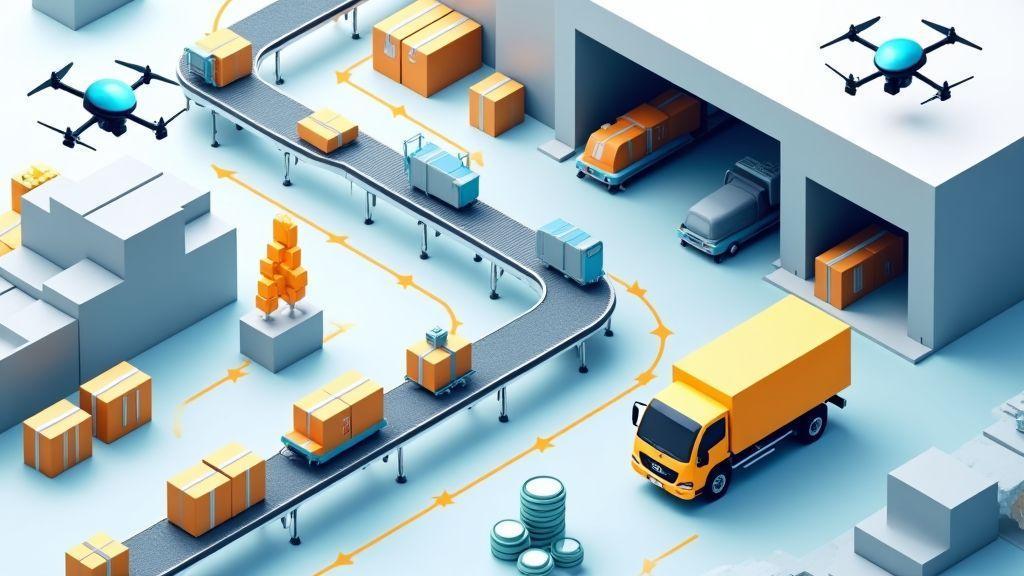
Logistics Hacks to Cut Costs and Speed Deliveries
Subscribe to our newsletter
Logistics is the focus of this guide and it shows you how to cut admin time and speed deliveries. You’ll see how document understanding slashes paperwork: use bill of lading parsing to pull key shipment details fast, invoice extraction to speed billing and cut errors, and verify proof of delivery with named entity recognition. Speed deliveries with shipment tracking extraction and ETA prediction to plan drivers and cut wait time. Flag late or failed drops with delivery status classification and feed tracking into real-time dashboards for faster action. Cut miles and prevent delays with route instruction parsing and supply chain anomaly detection. Turn carrier notes into clear stops and standardize addresses and partners with NER. Packed with practical logistics hacks to cut costs and move freight faster.
How you can use Logistics document understanding to cut admin time
You can shave hours off your day by turning piles of paperwork into structured data. Instead of hunting for container numbers and delivery dates, a document understanding system pulls those fields for you—less copying, fewer typos, and faster handoffs between ops, billing, and customer service.
Automated parsing also helps you stop firefighting. When a wrong consignee or missing weight pops up, the system flags it before a shipment leaves the yard. That avoids hold-ups, extra truck rolls, and awkward customer calls—so your team can focus on shipments, not forms.
Start small and measure fast. Pick the document that costs you the most time—bills of lading or invoices—and run a pilot. You’ll see error rates drop and invoice cycles tighten. Scaling then feels like flipping a switch rather than rebuilding the whole office.
You can use bill of lading parsing to pull key shipment details
Bill of lading parsing reads each B/L and extracts the core fields you need: shipper, consignee, container numbers, gross and net weight, dimensions, seal numbers, vessel and voyage, and incoterms. The model tags those items and hands them to your TMS or WMS, cutting manual entry and speeding yard moves and customs filings.
Parsing also helps with audits and disputes. If a container number on a booking doesn’t match the B/L, the system highlights it so you act fast—auto-create exceptions, message the carrier, or block a release until it’s fixed. It’s like a second pair of eyes that never tires.
You can use invoice extraction to speed billing and reduce errors
Invoice extraction pulls vendor name, PO number, line items, amounts, tax, and due date into your accounts payable flow. When your system matches an invoice to a PO and a goods receipt, you cut most manual checks. That speeds payment, helps capture early-pay discounts, and lowers days sales outstanding.
You also get better exception handling. The tool flags mismatches—wrong prices, missing line items, or duplicate invoices—so your team only reviews true problems. Set rules to auto-approve low-risk invoices and route the rest. That reduces stress and gives finance time back for strategic work.
You can verify proof of delivery using named entity recognition for logistics
Named entity recognition pulls names, timestamps, signatures, GPS data, and delivery notes from PODs so you can match proof to the delivery record. It spots missing signatures, notes about damage, or odd timestamps and sends alerts for claims or follow-up. That makes customer disputes easier to resolve and curbs fraud.
How you can speed deliveries with Logistics shipment tracking extraction and ETA prediction
Pull raw carrier updates, parse them into clean events, and turn that data into a model that predicts arrival times. When you extract shipment tracking data automatically, you stop guessing. Instead of waiting for a text or a call, you have a steady stream of timestamps and status codes that feed prediction models, giving clearer delivery windows and fewer surprises.
With good ETA prediction you can shift from firefighting to planning. Use predicted arrival times to batch stops, plan driver shifts, and slot high-value customers into narrower windows. This cuts idle minutes and stops you from sending drivers to empty doorways—saving fuel and time.
The payoff shows up fast: fewer missed deliveries, lower re-delivery costs, and happier customers. The system learns what causes delays and how to avoid them, so bottlenecks like slow hubs or repeated route failures get fixed before they escalate.
You can use ETA prediction to plan drivers and cut wait time
Predictive ETAs let you set realistic windows drivers and customers can trust. Instead of a vague between 9 and 5, give a 30–60 minute window and refine it as the day progresses. That reduces customer anxiety, lowers no-shows, and reduces missed handoffs.
ETAs also help cluster stops by likely arrival time. If a model predicts three stops within 20 minutes in one neighborhood, assign one driver instead of two. That tightens routes, reduces idle time, and uses fewer miles.
You can use delivery status classification to flag late or failed drops
Classifying delivery events—on-time, delayed, exception, failed—gives you an automatic alarm system. When the model spots an exception pattern, it triggers alerts for ops to call the driver or contact the customer. Early nudges often turn failures into recoveries, like rescheduling a block or swapping packages between vans.
Tie reason codes to actions. If a drop is flagged failed: customer not present, offer a retry window or auto-route to a locker. If it’s delayed: traffic, reroute the van or reassign high-priority stops. Those rules cut wasted trips and keep deliveries moving.
You can feed shipment tracking extraction into real-time dashboards for faster action
Feed cleaned tracking events and classification results into a live dashboard so your team sees issues before they grow. Color-coded lanes, audible alerts, and one-click reroute or message actions turn raw data into quick fixes. When a late pattern appears, you react in seconds instead of hours.
How you can cut miles and prevent delays with Logistics route instruction parsing and supply chain anomaly detection
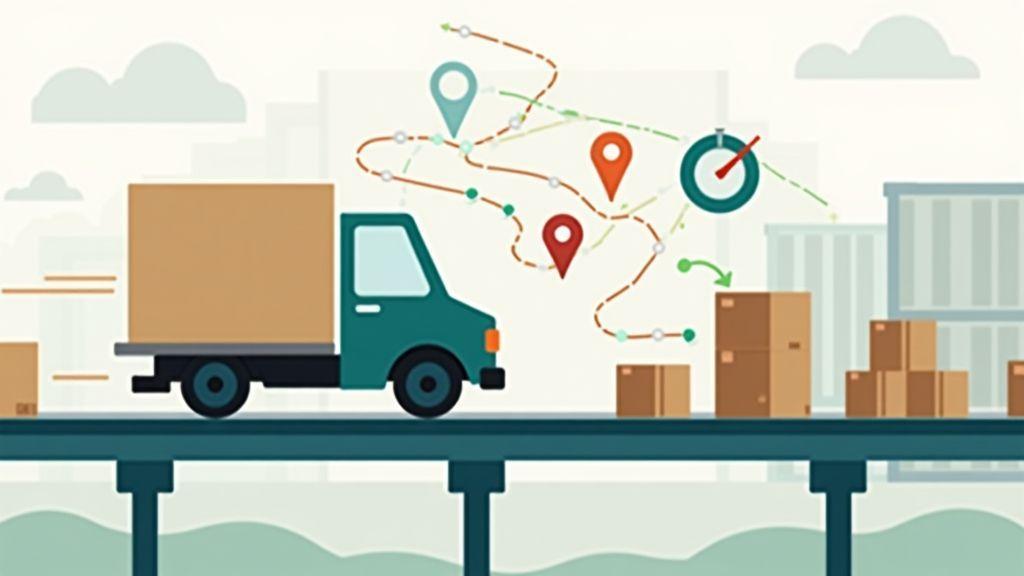
Slice wasted miles by turning messy carrier notes and sensor data into clear actions. Route instruction parsing extracts time windows, special equipment, and delivery quirks from free text so drivers follow the right plan the first time. Anomaly detection watches scans, GPS, and inventory to flag delays early so you can reroute or reschedule before trucks idle or orders go short.
Think of it like pruning a bush: remove the extra branches that make routes long and slow. When your system reads notes and live feeds, it reorders stops, reduces backtracking, and cuts deadhead miles. The result: fewer rush fees, fewer unhappy customers, and a smaller carbon footprint for your Logistics operations.
You don’t need magic tools to get started. Feed carrier notes and scan data into a parser and anomaly model, plug results into your TMS or driver app, and let the software suggest route tweaks and contingency moves. Small changes add up fast—less time driving, fewer missed windows, and a clearer picture of what’s actually happening on the road.
You can use route instruction parsing to turn carrier notes into clear stops
Route instruction parsing reads free-form notes and turns them into structured stop instructions. It pulls arrival times, loading docks, equipment needs, and contact steps so your driver app shows a clear checklist. When a note says call ahead, rear dock, forklift, the stop is set with a call reminder, dock location, and equipment flag instead of leaving drivers to guess.
That clarity cuts miles by preventing wrong turns and repeat visits. Drivers hit the right doors at the right time rather than circling the lot or coming back later. Combine parsed stops with mapping and load sequencing, and your routes become tighter with ETAs that match reality.
You can use supply chain anomaly detection to spot delays and inventory gaps
Anomaly detection monitors GPS pings, scan times, and stock levels for odd behavior. If an outbound scan is late, a truck slows to a crawl, or an item drops below safety stock, the system raises a flag. You get a heads-up early so you can swap loads, alert customers, or send a nearby truck instead of scrambling after a missed delivery.
Catching trouble faster means fewer emergency miles and less frantic phone tag. Plan cross-docks, consolidate loads, or delay noncritical stops to keep priority shipments moving—reducing surprises and enabling smarter choices when things go wrong.
You can use named entity recognition for logistics to standardize addresses and partners
Named entity recognition finds and labels addresses, company names, contact people, and delivery terms inside notes and documents. It turns variations like Main St. Bldg 3 and 123 Main Street, Building 3 into one standard address and matches vendor aliases to a single partner profile. That standardization stops misrouted stops, speeds partner lookups, and makes your route and inventory fixes accurate.
Logistics best practices (quick checklist)
- Start pilots on high-volume documents (B/Ls, invoices) to prove value fast.
- Feed parsed data into your TMS/WMS and driver apps for end-to-end impact.
- Use ETA prediction to cluster stops and reduce idle miles across Logistics flows.
- Automate low-risk invoice approvals and reserve human review for exceptions.
- Combine NER and address standardization to cut misroutes and improve partner data quality.
- Monitor anomalies continuously to convert delays into planned reroutes before costs spike.
Implement these steps to make Logistics operations leaner, faster, and more reliable.

Post Comment