Logistics Strategies to Slash Costs and Accelerate Delivery
Subscribe to our newsletter
Logistics is your secret weapon to cut transport costs and speed deliveries. You’ll learn route optimization for shorter, cheaper trips, freight consolidation to lower per-unit freight, and how to track savings with real time shipment tracking. Make last mile delivery optimization faster and cheaper, try cross docking to cut handling time, and match deliveries with demand forecasting. Streamline with warehouse automation and inventory optimization to shrink holding costs and errors. This article shows practical tactics to save money and move faster.
How you can cut transportation costs with Logistics transportation cost reduction tactics
You can trim big chunks off your freight bill by targeting the main cost drivers: miles, empty runs, and slow loading. Start by analyzing routes and load patterns. Small tweaks—combining loads, adjusting sequences, and eliminating deadhead miles—drop fuel use and driver hours fast. Run two or three tactics in a pilot, measure fuel, hours, and on-time performance before and after, then scale quick wins to fund the next round. Keep drivers and dispatchers involved; they often spot savings you’d miss from a desk.
Use data, but don’t let it drown you. GPS, invoices, and simple dashboards show which lanes bleed money, which stops cause delays, and where you have idle time. Focus on fixes that reduce both time and cost, not only sticker price.
Use route optimization algorithms to plan shorter, cheaper trips
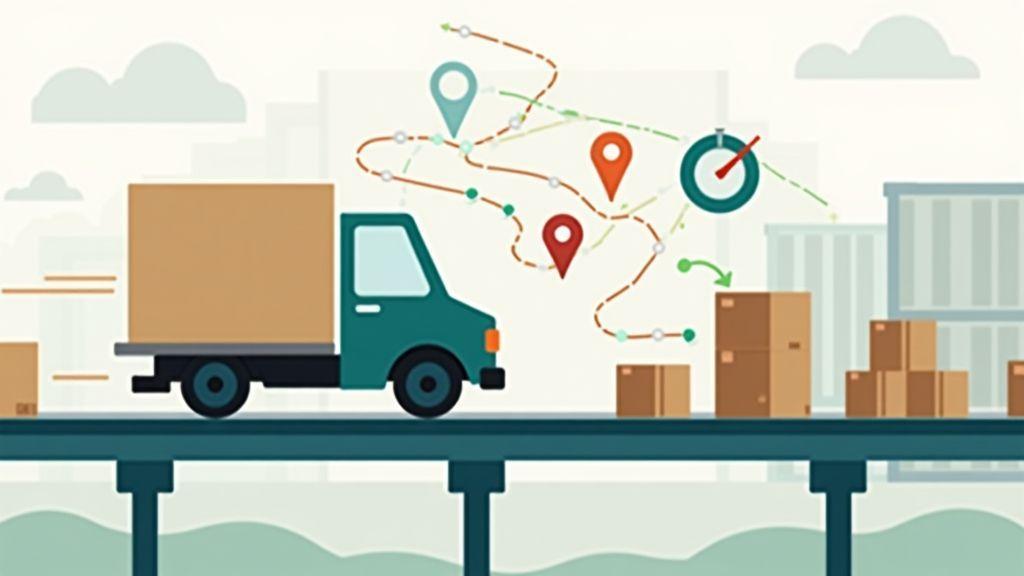
Route optimization tools act like a smart co-pilot, crunching stop windows, traffic patterns, and vehicle limits to find shorter paths and fewer empty miles. For last-mile work, this can shave hours off daily runs and cut fuel bills. Implement gradually: start with one route or depot, feed in real pickup and delivery windows, compare planned routes to actual driver behavior, adjust for quirks, then expand as savings show up.
Apply freight consolidation strategies to lower per-unit freight rates
Consolidation turns many small shipments into fuller, cheaper loads. Group LTL into full truckloads, use scheduled consolidation at a hub, or partner with nearby shippers or a 3PL if you lack volume. Balance inventory and delivery speed—hold items a little longer at a local hub or set scheduled pickup days. Negotiate lanes based on consistent, predictable loads; carriers will give better rates for steady business.
Monitor savings and timing with real time shipment tracking
Real-time shipment tracking proves whether changes cut cost and time. Use live location, temperature, and arrival data to compare plan versus actual performance. Tracking reveals delays, dwell time, and patterns you can fix quickly, and it ties operational issues directly to cost.
Make your last mile faster and cheaper with Logistics last mile delivery optimization
Cut time and cost in the last mile by tightening three levers: smarter routing, right-sized vehicles, and tighter delivery windows. Cluster stops and use dynamic routing that reacts to traffic. Use right-sized vehicles—bikes or e-bikes in dense areas, vans for suburbs—to save fuel and ease parking. Tighter delivery windows reduce repeat attempts and give drivers clear goals. A local shop that switched to e-bikes in the city cut delivery time and fuel costs dramatically.
Technology delivers fast wins: route optimization, ETA tools, and load planning reduce miles per stop, pack trucks smarter, and produce cleaner manifests. Start with simple tools—route clustering, basic telematics, and a clear mobile app for drivers. You don’t need every shiny feature to start saving.
People matter as much as tech. Train drivers on quick loading, safe parking, and customer communication. Reward routes that hit time and cost targets. Small changes—like a pre-loaded driver app or better van layout—cut minutes off each delivery; minutes add up over hundreds of stops.
Combine last mile delivery optimization and real time shipment tracking for clear visibility
Optimization tools and live tracking work best together. Tracking shows where drivers are and when traffic hits; optimization software reroutes drivers and adjusts drop sequences on the fly. The result: fewer missed windows, happier customers, and lower fuel use. Use tracking to keep customers informed with live ETAs and map links—when customers know arrival times, failed deliveries and re-delivery costs drop.
Use cross docking implementation to cut handling time and speed delivery
Cross docking moves goods from inbound to outbound trucks with little or no storage, reducing touches, damage, and labor. Time inbound trucks to meet outbound departures, set clear sorting lanes, and use simple scanning so packages go straight into the right truck. Start with one dock lane for high-volume SKUs, then expand as flows stabilize.
Match deliveries to demand with demand forecasting for logistics
Use demand forecasts to stage inventory and drivers where demand will pop up. Simple signals—past sales, weather, and events—help you pre-stage vans or stock. When you match resources to demand, you cut idle miles and missed windows, and your team moves from firefighting to planning.
Streamline your warehouse and stock using Logistics warehouse automation benefits and inventory optimization strategies
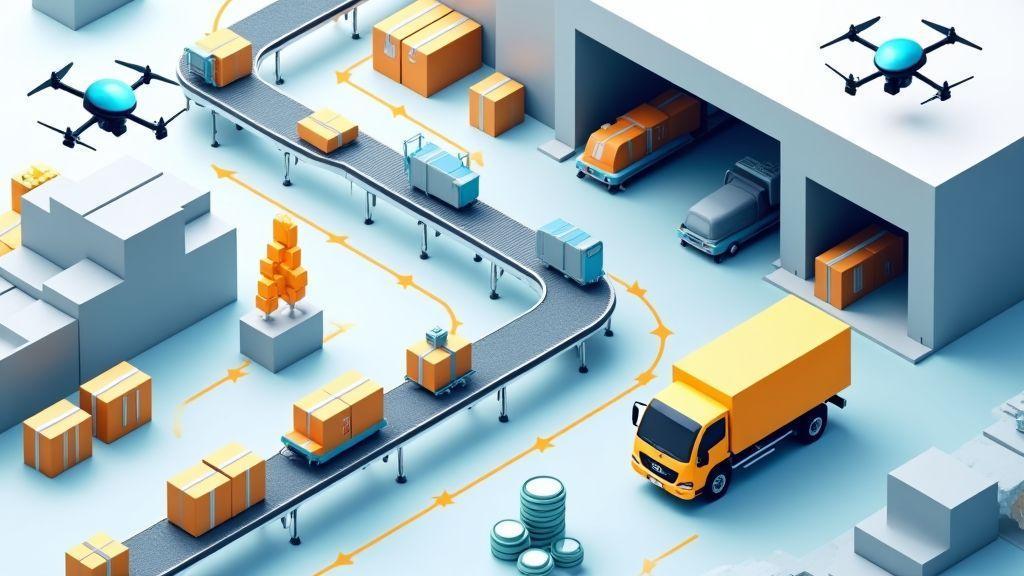
A warehouse that runs like a clock blends automation—conveyors, picking robots, and a solid WMS—with inventory tactics like ABC classification and better forecasting. Automation speeds repetitive moves and reduces human error; inventory strategies cut holding costs so you don’t pay to store slow-moving items.
Start small: pilot on one lane or SKU group, measure pick accuracy, cycle time, and carrying costs, then refine slotting and reorder points. Treat improvements as experiments to learn fast and avoid costly big bets.
Adopt warehouse automation benefits like conveyors, robots, and WMS to reduce errors
Conveyors cut handoffs, robots handle repetitive picks and heavy lifting, and a WMS enforces rules for putaway, replenishment, and directed picking. Automate the area that drags you down—high-volume picking, returns, or cross-dock—train staff early, track order accuracy and time per pick, and celebrate small wins.
Use inventory optimization strategies and lean logistics practices to lower holding costs
Sort SKUs with ABC analysis and focus tight controls on A-items. Forecast demand with rolling averages or a basic tool before moving to complex models. Set smarter safety stock and reorder points to carry less while avoiding stockouts. Lean logistics cuts waste: smaller batches, shorter storage times, and faster turns. Work with suppliers on lead times, consider vendor-managed inventory for slow movers, and combine these moves with pull-based replenishment.
Track stock health and turnover with inventory optimization strategies
Use daily metrics: turnover rate, days of inventory, aging reports, and sell-through by SKU. Flag slow movers for promo, bundle, or phase-out. Watching these numbers lets you act fast—discount, re-slot, or stop reordering—and keeps cash from getting trapped on the shelf.
Logistics KPIs to watch
- On-time delivery rate — measures delivery reliability across routes and last-mile operations.
- Cost per mile and cost per delivery — direct measures of transportation efficiency.
- Deadhead miles — monitor and reduce empty runs to cut fuel and labor waste.
- Order cycle time and pick-to-ship time — show warehouse speed and the impact of automation.
- Inventory turnover and days of inventory — indicate how well your Logistics network converts stock to sales.
Track these KPIs regularly to prioritize improvement efforts and prove ROI from Logistics changes.
Conclusion
Logistics improvements—from route optimization and consolidation to cross docking, real-time shipment tracking, and warehouse automation—deliver measurable savings and faster service. Start with pilots, measure clear KPIs, involve your operations team, and scale what works. Small changes in Logistics compound into major cost reductions and better customer experiences.

Post Comment